Retail businesses operate in a fast paced environment where efficiency, accuracy, and scalability are essential for success. While customer facing activities often receive the most attention, back office operations play a critical role in ensuring that the entire business runs smoothly. Managing these internal processes can be complex and resource intensive, which is why many retail organizations are turning to outsourcing as a strategic solution.
Businesses looking to streamline internal operations can explore solutions like retail back office outsourcing to enhance efficiency and maintain consistent performance.
What Is Retail Back Office Outsourcing?
Retail back office outsourcing refers to the delegation of non customer facing tasks to external service providers. These tasks include administrative, operational, and support functions that are essential for maintaining business continuity.
Outsourcing these processes allows retail businesses to focus on core activities such as sales, marketing, and customer engagement. External providers handle routine and complex tasks using structured workflows, advanced tools, and trained professionals.
This approach improves operational efficiency by ensuring that back office functions are managed systematically. It also reduces the burden on internal teams, allowing them to concentrate on strategic initiatives.
Another important aspect of back office outsourcing is consistency. Service providers follow standardized procedures to ensure accuracy and reliability across all tasks. This consistency helps maintain operational stability and supports long term growth.
Key Functions That Can Be Outsourced
Retail back office outsourcing covers a wide range of functions that support daily operations. These functions are designed to improve efficiency, reduce manual workload, and ensure accurate data management.
Before exploring specific functions, it is important to understand that outsourcing providers combine expertise with technology. This ensures that tasks are completed efficiently while maintaining high standards of quality.
Inventory Management
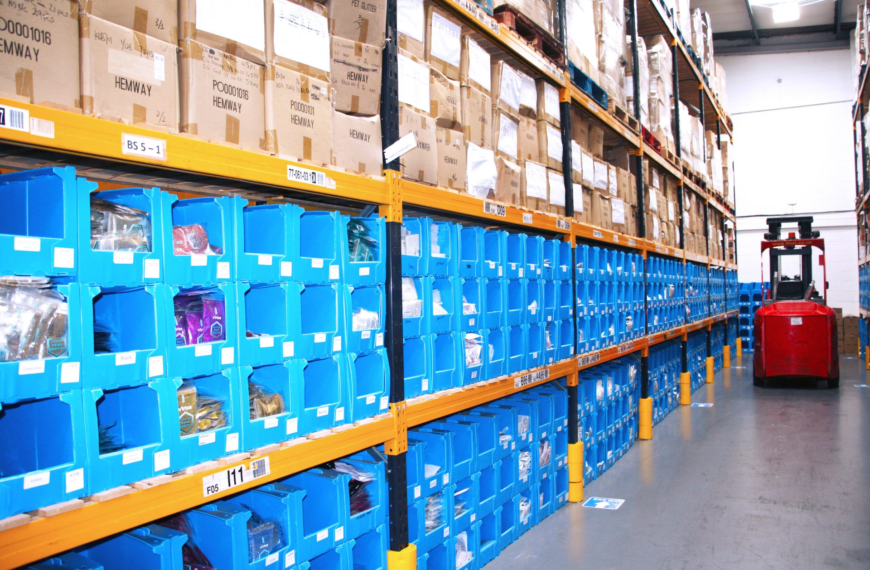
Inventory management is a critical component of retail operations. It involves tracking stock levels, managing supply chains, and ensuring that products are available when needed.
Outsourcing inventory management helps streamline these processes by using advanced systems and analytics. External providers monitor stock levels, update records, and ensure accurate reporting.
This approach reduces the risk of errors and improves visibility into inventory data. It also enables better decision making by providing timely and accurate information.
Efficient inventory management ensures that businesses can meet customer demand without delays. It also minimizes operational disruptions and supports overall business performance.
Data Processing
Data processing is another essential function in retail operations. It involves handling large volumes of information related to sales, transactions, customer records, and operational metrics.
Outsourcing data processing allows businesses to manage this information efficiently. Service providers use advanced tools to collect, organize, and analyze data with high accuracy.
This ensures that all records are up to date and accessible when needed. It also reduces the risk of manual errors and improves overall data quality.
In addition, outsourcing data processing supports compliance by ensuring that information is handled according to regulatory requirements. This enhances operational reliability and reduces potential risks.
For organizations managing multiple operational areas, solutions like insurance process outsourcing highlight how structured processes can improve efficiency across different industries.
Benefits for Retail Businesses
Outsourcing back office functions offers several benefits that contribute to improved efficiency and performance. These advantages extend across different aspects of retail operations and support long term business goals.
One of the primary benefits is cost efficiency. Outsourcing reduces the need for in house infrastructure, hiring, and training. This allows businesses to allocate resources more effectively and focus on growth oriented activities.
Operational efficiency is another key advantage. Structured workflows and automation tools ensure that tasks are completed quickly and accurately. This reduces processing time and enhances productivity.
Access to specialized expertise also improves performance. Outsourcing providers employ skilled professionals who are experienced in managing specific functions. Their expertise ensures that tasks are handled with precision and consistency.
Scalability is an important factor for retail businesses. Outsourcing allows organizations to adjust service levels based on demand. This flexibility ensures that operations remain efficient during periods of growth or fluctuation.
Quality assurance is strengthened through outsourcing. Providers implement monitoring systems and performance metrics to maintain high standards of service delivery. This ensures consistent results and reliable operations.
In addition, outsourcing enables better use of technology. Service providers utilize advanced tools and platforms to streamline processes and improve accuracy. This enhances overall efficiency and supports data driven decision making.
See also: The Benefits of Cloud Computing for Businesses
Choosing the Right Partner
Selecting the right outsourcing partner is essential for achieving the desired outcomes. Retail businesses must evaluate several factors to ensure that the chosen provider aligns with their operational needs.
The first step is to assess business requirements. Organizations should identify which functions need to be outsourced and determine the expected outcomes. This clarity helps in selecting a partner with the right capabilities.
Experience and expertise are critical considerations. Businesses should choose providers with a proven track record in managing retail back office operations. This ensures that processes are handled efficiently and professionally.
Technology integration is another important factor. The outsourcing provider should be able to integrate their systems with existing platforms. This ensures seamless data flow and real time visibility into operations.
Compliance and security must also be prioritized. Providers should have strong data protection measures and adhere to regulatory standards. This ensures that sensitive information is handled securely.
Communication and collaboration are key to successful outsourcing. Maintaining regular interaction with the provider helps ensure alignment and allows for quick resolution of any issues.
Retail businesses working with experienced providers like TP Australia can benefit from tailored solutions that support efficiency and growth. Services such as Teleperformance outsourcing Australia provide the infrastructure and expertise needed for effective back office management.
Summary
Retail back office outsourcing is a strategic approach that enables businesses to manage internal operations efficiently. By delegating tasks such as inventory management and data processing, organizations can streamline workflows and improve accuracy.
Outsourcing also provides access to advanced technology and specialized expertise, which enhances overall performance. With the ability to scale operations and maintain consistent quality, retail businesses can focus on core activities and achieve sustainable growth.
As the retail industry continues to evolve, outsourcing will remain an important solution for optimizing operations and maintaining competitiveness.
FAQs
1. What is retail back office outsourcing
Retail back office outsourcing involves delegating administrative and operational tasks to external service providers to improve efficiency.
2. Which functions can be outsourced in retail
Functions such as inventory management, data processing, order management, and reporting can be outsourced.
3. How does outsourcing benefit retail businesses
Outsourcing improves efficiency, reduces costs, provides access to expertise, and supports scalability.
4. Is outsourcing suitable for all retail businesses
Outsourcing can be customized based on business needs, making it suitable for organizations of different sizes.
5. What should be considered when choosing an outsourcing partner
Key factors include experience, technology capabilities, compliance, scalability, and alignment with business goals.

 By
By