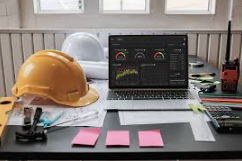
Industrial cooling towers operate under demanding conditions. Continuous airflow, circulating water, changing temperatures, and exposure to minerals or environmental contaminants gradually affect the equipment. Even a well-designed cooling tower requires regular inspection and occasional component replacement to maintain its performance.
When individual parts deteriorate, the effects can extend beyond the damaged component. Restricted airflow may reduce heat transfer, blocked water distribution nozzles can create uneven cooling, and worn mechanical components may increase energy consumption or cause unexpected shutdowns. For facilities that depend on continuous production, these problems can lead to significant operational disruption.
A proactive maintenance strategy helps businesses identify wear before it becomes a major failure. By monitoring equipment condition, maintaining accurate records, and planning component replacements, facility operators can improve reliability and make better use of their maintenance budgets.
Why Cooling Tower Components Require Replacement
Cooling towers combine mechanical, structural, and heat-transfer components. Each performs a specific function, and the condition of one component can influence the performance of the complete system.
Some parts deteriorate through normal use, while others may fail prematurely because of poor water quality, incorrect installation, vibration, corrosion, or unsuitable operating conditions. Understanding the underlying cause is important because replacing a damaged part without addressing the original problem may lead to repeated failures.
For example, recurring damage to fan components may indicate vibration, imbalance, or a mechanical alignment issue. Repeated blockage in the water distribution system may point to inadequate filtration or mineral deposits. A proper inspection should therefore assess both the affected part and the conditions surrounding it.
Common Components That May Need Replacement
Fans and Motors
Fans provide the airflow needed to support heat transfer inside the cooling tower. Motors supply the mechanical power that drives the fan assembly, either directly or through a transmission system, depending on the design.
Fan blades can become damaged by corrosion, impact, fatigue, or excessive vibration. Motors may experience bearing wear, electrical faults, overheating, or insulation deterioration. When these issues are ignored, they can affect cooling performance and increase the risk of equipment failure.
Maintenance teams should monitor unusual noise, vibration, temperature changes, and electrical readings. Before ordering replacement components, they should verify the original equipment specifications, including dimensions, speed, power requirements, and mounting arrangements.
A replacement should be selected for compatibility with the complete fan assembly rather than appearance alone. Changes to blade geometry or operating speed can affect airflow, mechanical loading, and energy consumption.
Fill Media
Fill media increases the surface area available for contact between water and air. This supports evaporation and heat transfer, helping the tower cool circulating water.
Over time, fill media may become blocked by scale, dirt, biological deposits, or suspended solids. It can also deform or deteriorate under unsuitable operating conditions. Damaged or obstructed fill can reduce airflow and interfere with water distribution, lowering the system’s ability to reject heat.
Before deciding to replace fill media, maintenance teams should inspect the extent of the damage and identify the cause. Cleaning may be suitable for certain deposits, while severely deteriorated or persistently blocked material may require replacement.
The replacement media must match the tower’s design and operating conditions. Important considerations include dimensions, configuration, water distribution characteristics, material compatibility, and resistance to the expected water chemistry.
Drift Eliminators
Drift eliminators reduce the amount of liquid water droplets carried out of a cooling tower by moving air. They help control water loss and limit the movement of water-treatment chemicals into the surrounding environment.
Cracked, missing, distorted, or incorrectly positioned eliminators can reduce their effectiveness. Blockages may also interfere with airflow.
During inspection, technicians should check for physical damage, deposits, incorrect placement, and deteriorated supports. Replacement components must fit the intended assembly and be installed according to the manufacturer’s guidance.
Water Distribution Nozzles and Pipes
Water distribution components spread warm water across the fill media. Nozzles, pipes, channels, and associated fittings must work together to maintain even coverage.
Blocked nozzles can create dry areas within the fill, reducing the effective heat-transfer surface. Damaged pipes or loose connections may cause leakage, uneven flow, or unnecessary water loss.
Inspection should include checking nozzle condition, water distribution patterns, leaks, and visible deposits. If repeated blockages occur, the facility should review filtration and water-treatment practices rather than simply replacing the same parts each time.
Bearings, Belts, and Drive Components
Some cooling towers use drive arrangements that include belts, pulleys, bearings, gearboxes, or related mechanical components. These parts experience wear and require inspection according to the equipment’s maintenance schedule.
Loose or worn belts can affect power transmission, while damaged bearings may produce unusual noise or vibration. Gearbox problems can affect fan speed and mechanical reliability.
Maintenance teams should verify alignment, lubrication requirements, tension, and component condition where applicable. Repairs should follow the manufacturer’s instructions, particularly when the work involves rotating machinery or potentially hazardous stored energy.
Selecting Compatible Replacement Parts
Choosing cooling tower replacement parts requires accurate equipment identification and attention to technical specifications. A component that appears similar to the original may still differ in dimensions, material, performance characteristics, or mounting requirements.
Before placing an order, buyers should gather the tower model, serial number, component reference, equipment drawings, and any relevant operating information. Photographs and measurements can be useful supporting information, but they should not replace technical verification.
When sourcing cooling tower replacement parts buyers should confirm compatibility with the specific cooling tower model and assembly. They should also review the material’s suitability for the operating temperature, water chemistry, mechanical loads, and environmental exposure.
For components that influence airflow, structural integrity, or mechanical safety, a qualified technician or the equipment supplier should verify the proposed replacement. This is especially important when the original component is discontinued or its reference information is unavailable.
Documentation should be retained after installation. Recording the replacement part number, installation date, supplier, and inspection results makes future maintenance easier and reduces the chance of ordering an unsuitable component again.
Identifying the Right Time to Replace a Component
Replacing parts too early can increase maintenance expenses, but waiting until failure can create larger costs through downtime and secondary damage. A condition-based approach helps businesses balance these risks.
Monitor Changes in Operating Performance
A decline in cooling performance can signal a developing problem. However, the cause may be related to several factors, including increased process heat load, changing weather conditions, insufficient airflow, poor water distribution, or fouled fill media.
Operators should compare actual water temperatures and flow rates with the expected operating conditions. This provides a stronger basis for deciding whether inspection or component replacement is necessary.
Investigate Unusual Noise and Vibration
Changes in sound or vibration can indicate imbalance, loose fasteners, bearing wear, misalignment, or other mechanical issues. Such symptoms should be investigated promptly because continued operation may worsen the damage.
Equipment should be isolated according to the facility’s safety procedures before technicians inspect moving components or carry out repairs.
Review Maintenance History
Maintenance records help identify parts that repeatedly fail or require unusually frequent servicing. If the same component is replaced several times within a short period, the underlying cause should be investigated.
Recurring failures may result from incorrect specifications, poor installation, incompatible materials, water-treatment issues, or operation outside the equipment’s intended limits.
A maintenance history also helps estimate component life and establish more realistic replacement intervals for future planning.
The Importance of Water Treatment
Water quality influences the condition of many cooling tower components. As water evaporates, dissolved minerals become more concentrated in the circulating system. Without suitable controls, scale may form on heat-transfer surfaces and reduce efficiency.
Corrosion can weaken metallic parts, while suspended solids can obstruct nozzles and restrict water flow. Biological growth may contribute to fouling and create health risks if water management is inadequate.
A water-treatment program should reflect the makeup-water source, system materials, operating conditions, and applicable regulations. Depending on the installation, it may include filtration, chemical treatment, conductivity monitoring, and controlled blowdown.
Cooling towers can support the growth of microorganisms, including Legionella. Operators should maintain a documented water-management program and follow applicable public-health guidance. Cleaning, disinfection, monitoring, and corrective actions should be based on the facility’s risk assessment and relevant requirements.
Suitable water treatment helps protect components, but it does not eliminate the need for mechanical inspection. Both activities should form part of the overall maintenance strategy.
Planning Spare Parts and Controlling Costs
A carefully planned inventory can reduce the time required to restore a cooling tower after a failure. However, storing every possible component may tie up capital and create unnecessary inventory costs.
Businesses should prioritise parts according to their criticality, expected wear, failure likelihood, replacement lead time, and effect on production. Components that can stop the entire cooling system or take a long time to obtain may deserve priority.
Inventory decisions should also consider whether parts are model-specific, interchangeable, or available from multiple qualified sources. Accurate records help prevent duplicate purchases and reduce the risk of storing obsolete components.
When comparing quotations, buyers should review the complete value of the proposed part. Relevant factors include compatibility, material quality, expected service life, warranty coverage, delivery time, and technical support.
The cheapest option may not provide the best long-term value if it wears quickly or creates additional maintenance problems. Conversely, a more expensive part should be justified by its technical suitability and expected performance.
Safe Installation and Post-Replacement Testing
Correct installation is essential to achieving the intended performance of a replacement component. Before maintenance begins, the relevant equipment should be isolated and locked out according to site procedures. Technicians must verify that hazardous energy has been controlled before handling fans, drives, motors, or other moving parts.
Installation should follow the manufacturer’s instructions and applicable safety requirements. Workers may also need approved access equipment and fall protection when working at elevated locations.
After installation, the maintenance team should perform the appropriate checks before returning the equipment to normal service. Depending on the component, these may include verifying alignment, fastener security, lubrication, electrical connections, water distribution, vibration, and leakage.
Operating conditions should then be monitored to confirm that the replacement has resolved the original problem. If abnormal noise, excessive vibration, leakage, or reduced cooling performance continues, the system should be investigated rather than assuming the new component is functioning correctly.
Documenting the work provides a useful reference for future inspections and helps maintenance teams understand the equipment’s service history.
Frequently Asked Questions
1. How can I identify the correct replacement component for a cooling tower?
Start with the equipment model, serial number, original component reference, and technical documentation. Verify dimensions, materials, operating requirements, and compatibility before ordering. Consult a qualified technician or supplier when the original specifications are unclear.
2. Should a damaged cooling tower component always be replaced immediately?
The decision depends on the severity of the damage, the component’s function, safety implications, and the risk of further deterioration. Safety-critical damage requires prompt assessment, while other decisions should follow manufacturer guidance and a qualified inspection.
3. How can businesses reduce the cost of cooling tower repairs?
Preventive maintenance, suitable water treatment, accurate component identification, condition monitoring, and sensible spare-parts planning can help control repair costs. Investigating repeated failures is particularly important because replacing parts without correcting the underlying cause can lead to additional expenses.
Conclusion
Cooling tower performance depends on the condition and compatibility of its individual components. Fans, motors, fill media, drift eliminators, water distribution systems, and mechanical drives all contribute to reliable heat removal.
Businesses can reduce unexpected downtime by monitoring operating conditions, maintaining water quality, documenting inspections, and planning component replacements before serious failures occur. Accurate equipment identification and safe installation are equally important when sourcing and fitting replacement parts.
A well-organised maintenance strategy protects equipment reliability, supports more predictable operating costs, and helps industrial facilities maintain dependable cooling performance throughout the equipment’s service life.
 By