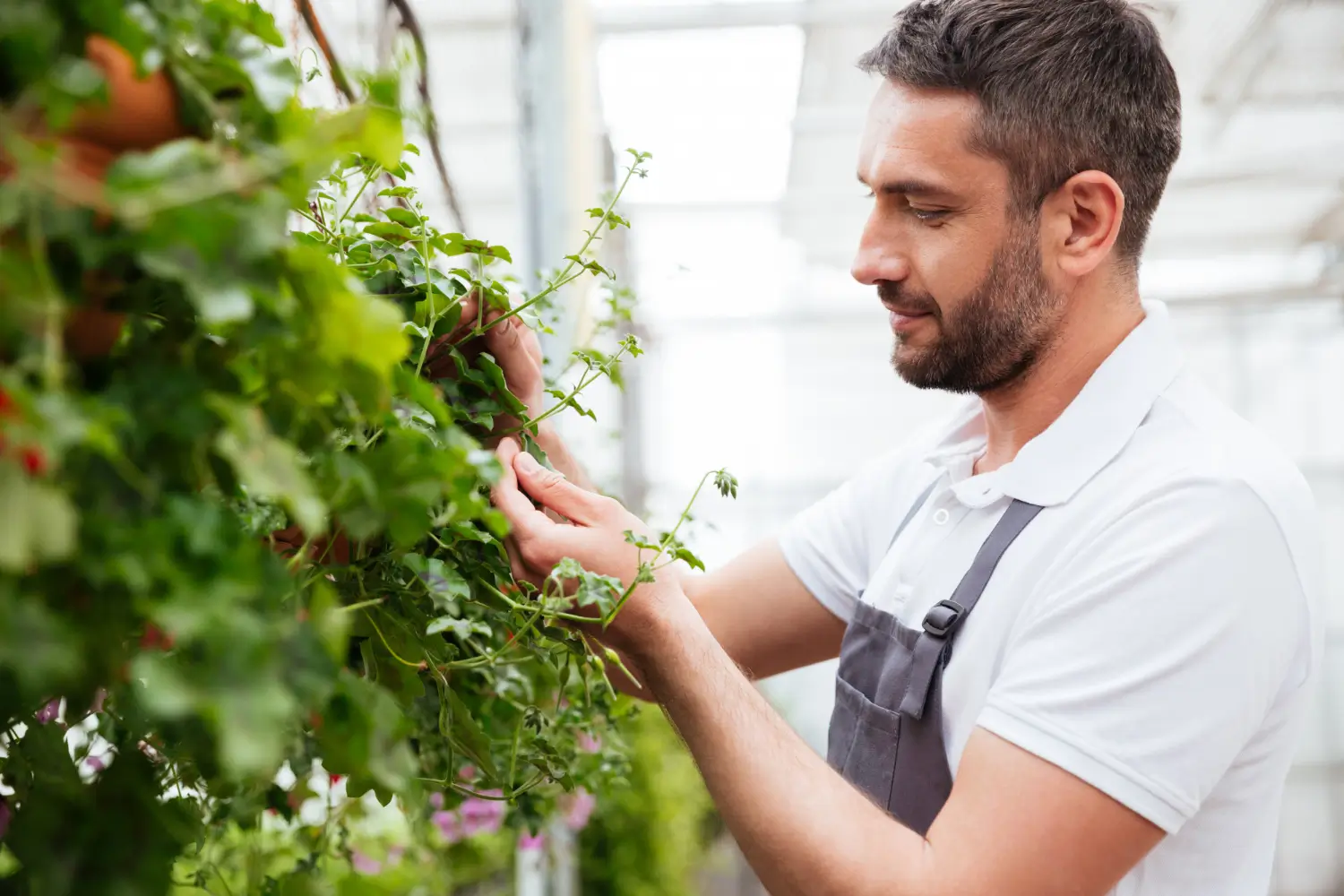
There’s something really enjoyable about spending time in the garden, whether you’re growing your own herbs, tending to flowers, or simply enjoying being outside.
The problem is that traditional gardening can involve a lot of bending, kneeling, lifting, and stretching. If you have limited mobility, those everyday tasks can quickly become tiring or uncomfortable.
But that doesn’t mean you have to give up gardening. Vertical gardening offers a much easier way to grow plants by moving them off the ground and up to a more comfortable height. With the right setup, you can spend less time bending and reaching while still enjoying everything that makes gardening so rewarding.
Less bending and kneeling
One of the best things about vertical gardening is that it can reduce the need to work at ground level.
Traditional garden beds often require you to bend over repeatedly to plant seeds, pull weeds, water plants, or harvest vegetables. For someone with limited mobility, these movements can become tiring or uncomfortable, particularly when gardening for longer periods.
With vertical systems, you can bring your plants up to a height that feels more comfortable to work with. Instead of constantly bending down, you can often plant, water, and pick your crops while standing or sitting. It’s a small change, but it can make a big difference when you want to spend more time enjoying your garden and less time dealing with aches and strain.
Easier access to plants
When plants are spread across a large garden, reaching individual crops can sometimes be challenging. You may need to walk around several beds or stretch across a garden bed to reach what you need.
Vertical gardens keep plants organized in one accessible area. A tower of garden plants, for example, can provide several growing spaces within a relatively compact structure. This makes it easier to see what is growing and reach plants without constantly moving around the garden.
For people who use mobility aids or have difficulty walking long distances, keeping plants close together can be especially useful.
Make the most of a small space
Accessibility isn’t the only benefit of vertical gardening. These systems are also excellent for people who don’t have a large outdoor area.
A balcony, patio, courtyard, or small backyard can provide enough space for a vertical growing system. Instead of needing a wide garden bed, you can use the available vertical space to grow herbs, vegetables, flowers, and other plants.
This can be particularly appealing for people who want to continue gardening after moving to a smaller home or choosing a lower-maintenance lifestyle.
Easier watering and maintenance
Watering plants can become another challenge when they are spread across a large garden. A vertical system can make the process more organized and predictable.
Some vertical gardens can be placed close to a water source, reducing the walking involved. Certain systems may also incorporate irrigation features that distribute water to multiple growing areas.
Maintenance can be easier too. When plants are grouped, it may be simpler to identify weeds, check for pests, remove damaged leaves, and monitor plant health.
Of course, the amount of effort required depends on the type of system you choose. A good design should make everyday gardening tasks easier, not create extra work.
See also: The Benefits of Cloud Computing for Businesses
A more comfortable gardening experience
Gardening should be enjoyable, not something that leaves you feeling exhausted or uncomfortable. Vertical systems let you adjust your setup to your needs.
For example, you can choose a system that suits standing or position it at a height that works better when seated. Lightweight containers and tools with comfortable handles can also make planting and maintenance easier.
The goal isn’t to eliminate every physical task. Instead, it’s about reducing unnecessary movement and creating a garden that works with your body, not against it.
Grow the plants you actually enjoy
Another great thing about vertical gardening is its versatility. You aren’t limited to growing one particular type of plant.
Herbs such as basil, parsley, mint, and thyme can work well in vertical systems. Leafy greens, strawberries, flowers, and some compact vegetables can also be suitable depending on the growing system.
Choosing plants you genuinely enjoy can make the garden feel more rewarding. If you love cooking, focus on herbs and vegetables. If you prefer colorful outdoor spaces, fill your vertical garden with flowers and attractive foliage.
Choose a system that fits your needs
Not every vertical garden will suit everyone. Before choosing one, think about how you will use it and which gardening tasks are most difficult for you.
Consider the height of the planting areas, the weight of the containers, how easily you can access each plant, and how you will water the system. Also make sure it can sit on a stable, level surface.
Starting small can be a good idea. A compact vertical system allows you to see how comfortable it is before investing in a larger setup.
Final Thoughts
Limited mobility doesn’t have to mean giving up the pleasure of gardening. With thoughtful planning, vertical growing systems can make planting, watering, maintaining, and harvesting much more accessible.
By bringing plants closer to a comfortable working height and using vertical space more effectively, these gardens can reduce bending, kneeling, and unnecessary movement. More importantly, they allow people to create a growing space that suits their abilities and lifestyle.

 By