Clean air is essential for maintaining a safe and productive working environment. In industrial facilities, construction zones, workshops, agricultural operations, and manufacturing plants, employees may encounter airborne dust, particles, fumes, aerosols, and other contaminants. Depending on the substance and level of exposure, breathing these materials can cause irritation, worsen existing respiratory problems, or contribute to serious occupational illness.
A safety breathing mask can help reduce exposure when it is designed for the specific hazard and used correctly. However, products that look similar may offer very different levels of protection. Some are intended for nuisance dust, while others are certified for particular airborne particles or form part of a more specialised respiratory protection system.
Choosing appropriate equipment requires an understanding of workplace hazards, filtration performance, fit, maintenance, and applicable safety requirements. A careful selection process helps employers protect workers while avoiding the assumption that a single mask can address every respiratory risk.
Understanding the Purpose of a Safety Breathing Mask
Breathing masks and respirators are used to reduce the amount of certain airborne contaminants entering the respiratory system. Their capabilities depend on their design, filtration technology, certification, and intended application.
Some products are disposable particulate respirators. Others are reusable devices that accept replaceable filters or cartridges. More specialised systems may use powered airflow or an external air supply when ordinary filtering equipment is unsuitable.
These categories have different limitations. A mask intended to filter particles should not automatically be assumed to protect against gases or vapours. Similarly, a filtering respirator cannot provide oxygen in an oxygen-deficient atmosphere.
Before choosing a product, identify the contaminant and consult the relevant workplace assessment, safety data sheets, and manufacturer documentation.
Why Respiratory Protection Is Important
Reducing Exposure to Airborne Particles
Activities such as sanding, cutting, grinding, sweeping, and handling powdered materials can release airborne particles. The health effects depend on the composition, size, concentration, and duration of exposure.
A suitable particulate respirator can help reduce inhalation exposure when it has the required filtration performance and fits the wearer correctly.
Not every mask provides the same level of protection. Buyers should verify the product’s classification and certification rather than relying on its appearance or general marketing description.
Supporting Long-Term Worker Health
Some occupational contaminants can affect respiratory health after repeated exposure. A well-managed respiratory protection programme helps reduce these risks by matching protective equipment to the task and exposure.
Employers should prioritise practical controls such as local exhaust ventilation, process enclosure, dust suppression, and safer material substitution wherever feasible. Respirators provide an additional protective measure when required by the risk assessment.
Improving Workplace Safety Practices
Clear procedures help workers understand which mask or respirator is appropriate for a particular activity. Consistent guidance can reduce mistakes such as using an unsuitable filter, wearing damaged equipment, or continuing work after a respirator has failed.
Training should explain the intended use, limitations, fitting procedure, inspection requirements, and replacement instructions for the selected product.
Different Types of Breathing Masks
Disposable Particulate Masks
Disposable particulate respirators are designed for specified airborne particles. Depending on the product, they may be used in construction, manufacturing, maintenance, or other environments where particle exposure has been assessed.
Their effectiveness depends on the filter classification, the contaminant, and the quality of the face seal. Certification under a recognised standard should be verified before purchase.
Disposable particulate masks are not automatically suitable for gases, vapours, or oxygen-deficient conditions. The product’s approved uses and limitations must be checked carefully.
Reusable Half-Mask Respirators
Reusable half-mask respirators typically cover the nose and mouth and use compatible filters or cartridges. They can be suitable for repeated tasks when the correct components are selected and the equipment fits the wearer.
Particulate filters and gas or vapour cartridges serve different purposes. The selected component must match the contaminant and comply with the respirator manufacturer’s compatibility requirements.
Reusable equipment also needs cleaning, inspection, storage, and component replacement according to an established maintenance procedure.
Full-Face Respirators
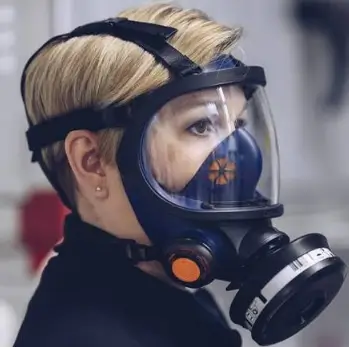
Full-face respirators cover the eyes as well as the nose and mouth. Depending on the model and approved configuration, they may provide respiratory protection alongside additional protection for the face and eyes.
They require appropriate selection, fit assessment, and compatibility with other protective equipment. A full-face design does not automatically make a respirator suitable for every hazardous atmosphere.
Powered and Supplied-Air Respirators
Some workplace conditions require powered air-purifying respirators or supplied-air equipment. These systems are designed for specific applications in which conventional filtering masks may not meet the requirements.
Their selection depends on the contaminant, concentration, oxygen conditions, and applicable regulations. Unknown or immediately dangerous atmospheres require specialised assessment and equipment; ordinary breathing masks should not be used as a substitute.
Factors to Consider When Selecting a Safety Breathing Mask
Identify the Airborne Hazard
Begin by determining which substances may be present. Dust, metal fumes, chemical vapours, gases, and biological aerosols can require different types of respiratory protection.
Use a documented exposure assessment and relevant safety data sheets to understand the hazard. If the contaminant or its concentration is unknown, do not assume that a general-purpose mask is adequate.
Check Filtration and Certification
Review the product’s filtration classification, applicable standard, and supporting documentation. Requirements may differ between countries and industries, so verify that the product meets the rules governing the intended workplace.
Avoid relying only on phrases such as high filtration or professional grade. Clear identification and verifiable documentation provide a stronger basis for selecting equipment.
Ensure a Suitable Fit
A respirator must fit the wearer to provide its intended level of protection. Gaps around the face can allow contaminated air to bypass the filter.
Tight-fitting respirators may require formal fit testing and medical evaluation under the applicable respiratory protection programme. Facial hair, facial features, and incompatible eyewear can interfere with the seal.
Workers should receive training on putting on and removing equipment and carrying out any required user seal checks.
Consider Comfort and Work Conditions
Comfort, breathing resistance, temperature, communication needs, and compatibility with other protective equipment can affect whether a respirator is worn correctly.
These considerations should support the selection process without reducing the required protection. If workers experience discomfort or breathing difficulties, the equipment and work conditions should be reviewed.
Evaluate Replacement Requirements
Different masks and filters have different service-life limitations. Disposable products may need replacement after a task or when damaged or contaminated. Reusable respirators require scheduled maintenance and replacement of compatible components.
Follow the manufacturer’s instructions and the workplace respiratory protection programme rather than using one replacement schedule for every product.
Correct Use and Maintenance
Inspect Before Wearing
Check the mask or respirator for damaged straps, cracks, worn sealing surfaces, contamination, or other defects. Verify that the filters and other components are compatible and correctly installed.
Do not use equipment that is damaged or whose condition is uncertain. Follow the manufacturer’s instructions for determining whether the product can remain in service.
Put the Equipment on Correctly
Follow the specified fitting procedure and adjust straps or other components as instructed. For tight-fitting respirators, complete the required seal checks each time the equipment is worn.
If the seal cannot be achieved, do not enter or remain in the hazardous area using that respirator. Seek a suitable alternative through the established safety procedure.
Replace Filters and Masks Appropriately
Particulate filters can become loaded with contaminants, while gas and vapour cartridges may reach the end of their useful life without an obvious visual sign.
Follow the specified replacement schedule and any service-life indicators. Do not rely on smell alone to determine when a chemical cartridge needs replacement.
Disposable masks should be discarded according to the manufacturer’s guidance and workplace procedures, particularly when they are damaged, contaminated, or no longer suitable for use.
Store Equipment Safely
Store reusable respirators and replacement components in a clean, dry location protected from contamination, direct sunlight, excessive heat, and damaging chemicals.
Keep unused filters in their original packaging until needed. Suitable storage helps preserve the equipment and makes it easier to identify products that are ready for use.
Building a Strong Respiratory Protection Programme
A successful programme includes hazard assessment, equipment selection, worker training, maintenance, and regular review. Employers should identify which tasks require respiratory protection and make sure the selected equipment meets the applicable requirements.
Workers should understand how to recognise equipment failure, report exposure concerns, and leave an area when conditions become unsafe. Supervisors should also verify that replacement supplies and training remain available.
Where required by the applicable rules, the programme should include medical evaluation, fit testing, written procedures, and documented maintenance. Respiratory protection is most effective when integrated with broader workplace controls rather than treated as an isolated purchase.
See also: Crypto Technology and Market Innovation
Choosing a Reliable Product and Supplier
A purchasing decision should be based on verified performance, intended application, certification, availability, and technical support. Organisations should compare products according to their actual workplace needs instead of assuming that all masks provide equivalent protection.
When reviewing ppemax Safety Breathing Mask check the exact product’s intended hazards, filtration or cartridge requirements, applicable standards, fitting instructions, and replacement guidance. Confirm that the product is appropriate for the specific exposure before introducing it into the workplace.
A reliable supplier should provide clear product identification and technical documentation. Consistent supply, suitable packaging, and responsive support can also help safety teams manage equipment across multiple sites.
Price matters, but it should be considered alongside the required level of protection, product lifespan, fit requirements, training, and maintenance. Purchasing a mask that is unsuitable for the hazard may create risks that outweigh any initial savings.
Frequently Asked Questions
1. Is a safety breathing mask suitable for every workplace contaminant?
No. The correct equipment depends on the substance, concentration, and exposure conditions. Particulate masks do not automatically protect against gases or vapours, and filtering respirators cannot supply oxygen in oxygen-deficient environments.
2. How can workers know whether a respirator fits correctly?
Workers should follow the manufacturer’s fitting instructions and perform required seal checks. Tight-fitting respirators may also require formal fit testing under the applicable workplace programme.
3. When should a breathing mask or filter be replaced?
Replacement depends on the product type, contamination, exposure conditions, damage, and manufacturer instructions. Follow the established replacement schedule and remove unsuitable equipment from service.
Conclusion
A safety breathing mask can help reduce workplace exposure when it is correctly selected, fitted, and maintained. Effective protection starts with identifying the airborne hazard and confirming that the equipment is designed and certified for the intended application.
Employers should combine suitable respiratory equipment with ventilation, exposure controls, training, and regular inspection. By reviewing technical documentation and following established procedures, organisations can make more informed purchasing decisions and support healthier working environments.

 By