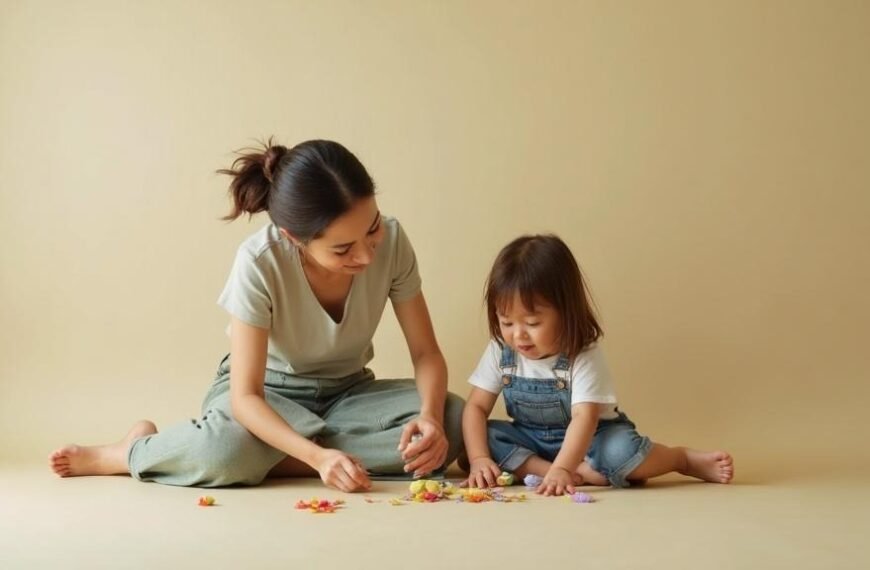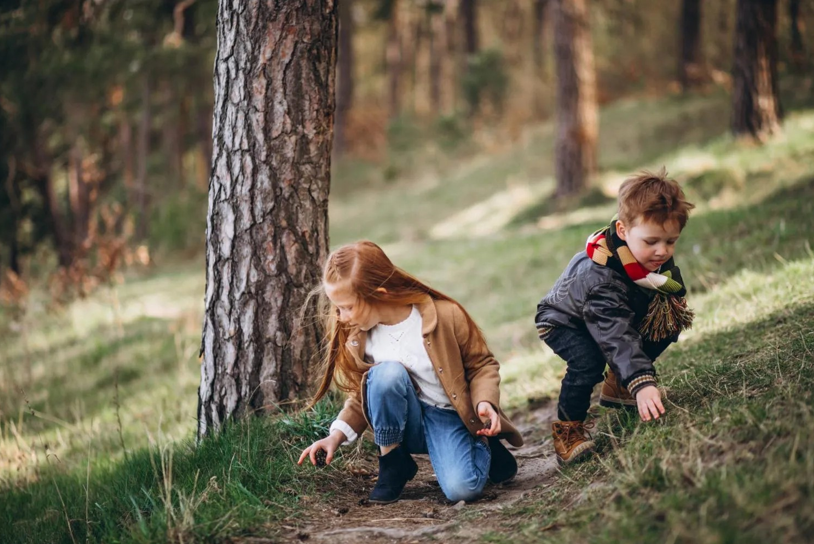
For young children, play is crucial because that’s how they discover the world, test new ideas, develop relationships, and build confidence.
While indoor activities are an important part of early childhood education, outdoor play offers children space to move, explore, experiment, and learn through real-world experiences.
Time spent outdoors can support many areas of a child’s development. When children are given opportunities to explore their surroundings, they naturally practice physical, social, emotional, and cognitive skills while having fun.
Building physical skills
One of the greatest benefits of outdoor play is the opportunity for children to be physically active. Running, jumping, climbing, balancing, throwing, and crawling help develop gross motor skills, coordination, strength, and awareness.
Outdoor spaces also give children more room to move. A playground or open garden lets them experiment with different movements and gradually build confidence in their physical abilities.
Active outdoor play can also encourage children to develop healthy movement habits early on. Rather than viewing exercise as a structured task, children experience physical activity as something enjoyable and naturally connected to play.
Encouraging curiosity and learning
The outdoor spaces are natural classrooms filled with opportunities to investigate. Children can explore plants, animals, weather, textures, sounds, colors, and changing seasons simply by interacting with their environment.
For example, finding an insect can lead to questions about where it lives and what it eats. Building with sticks and natural materials can introduce basic concepts such as balance, structure, and problem-solving.
Similarly, collecting leaves can become an opportunity to discover and compare their colors, shapes, and sizes.
These experiences allow children to learn through curiosity rather than simply being given information. They can ask questions, make observations, experiment, and discover things for themselves.
Supporting emotional well-being
Did you know outdoor play can offer children a welcome change from structured indoor activities? Having space to run, explore, create, and simply enjoy themselves can support their overall emotional well-being.
Keep in mind that not every outdoor activity needs to be energetic. Quiet experiences, such as playing with sand, looking at clouds, gardening, or exploring natural materials, can give children opportunities to slow down and engage at their own pace.
Quality outdoor experiences are one reason families may look for programs that make outdoor exploration a regular part of the day. An early learning centre Vermont can provide children with structured learning while also creating opportunities for active outdoor discovery and play.
Supporting social development
Outdoor play also provides valuable opportunities for children to develop social skills. Games and group activities encourage children to communicate, share resources, take turns, and cooperate.
A group of children might work together to build something, create an imaginary game, or navigate a simple obstacle course. Along the way, they learn how to listen to others, express their ideas, and negotiate when they have different opinions.
Disagreements can also become valuable learning experiences. With supportive guidance from adults, children can learn to resolve disagreements while developing cooperation, communication, and respect for others.
Building confidence and independence
Outdoor environments give children opportunities to make choices and take on manageable challenges. A child may decide to climb a particular structure, try balancing on a beam, or figure out how to move across an obstacle.
Successfully completing a challenge can give children a real sense of achievement. Even when they don’t succeed immediately, they can try again, change their approach, and learn from mistakes.
Adults can encourage this development by providing appropriate supervision without taking over every activity. Letting children try things independently helps them build confidence and a growing sense of responsibility.
See also: San Antonio Animal Removal: Safe and Responsible Wildlife Solutions
Inspiring creativity and imagination
Outdoor spaces can become almost anything in a child’s imagination. A stick can become a wand, a collection of leaves can become part of an imaginary meal, and a cardboard box can transform into a car or spaceship.
This type of open-ended play encourages children to create their own games and stories. They are not limited to using toys in one specific way and can adapt ordinary objects to suit their ideas.
Imaginative play supports creativity, flexible thinking, communication, and problem-solving while allowing children to explore different roles and scenarios.
Connecting children with nature
Regular outdoor experiences can help children develop an appreciation for nature. Simple activities such as watering plants, watching birds, collecting fallen leaves, or exploring a garden can help children become more aware of their surroundings.
Nature also provides endless opportunities for observation. Children might notice how plants change, how shadows move, or how different animals behave. These small discoveries can encourage curiosity and help children develop an understanding of the natural world.
Conclusion
Outdoor play gives children the freedom to move, explore, imagine, and connect with the people and environment around them. Its benefits extend well beyond physical activity, supporting cognitive development, creativity, confidence, social skills, and emotional well-being.
By making outdoor exploration a regular part of childhood, parents and educators can give children meaningful opportunities to learn through hands-on experiences. Whether it happens in a backyard, playground, park, or early learning environment, outdoor play can help children grow into confident, curious, and capable learners.

 By
By