Introduction
Wild animals can occasionally find their way into homes, attics, garages, crawl spaces, and other areas where they do not belong. While seeing wildlife around a property can be interesting, an animal inside a building can create concerns involving property damage, noise, odors, and sanitation. Professional San Antonio animal removal services can help homeowners address these situations safely and responsibly.
From raccoons and squirrels to bats and other wildlife, different animals require different approaches. Understanding how animal removal works can help property owners respond appropriately when wildlife becomes a problem.
Common Wildlife Found Around San Antonio Properties
San Antonio’s environment can provide shelter and food for a variety of wildlife species. Animals may enter residential properties while searching for food, water, warmth, or protected nesting areas.
Common wildlife concerns can include raccoons, squirrels, opossums, skunks, bats, and certain types of birds. The specific animal involved matters because each species can behave differently and may require a particular removal strategy.
Homeowners should avoid assuming that every wildlife problem can be handled in the same way.
Signs of an Animal Infestation
Wildlife is not always immediately visible. In some cases, homeowners first notice signs that an animal has entered the property.
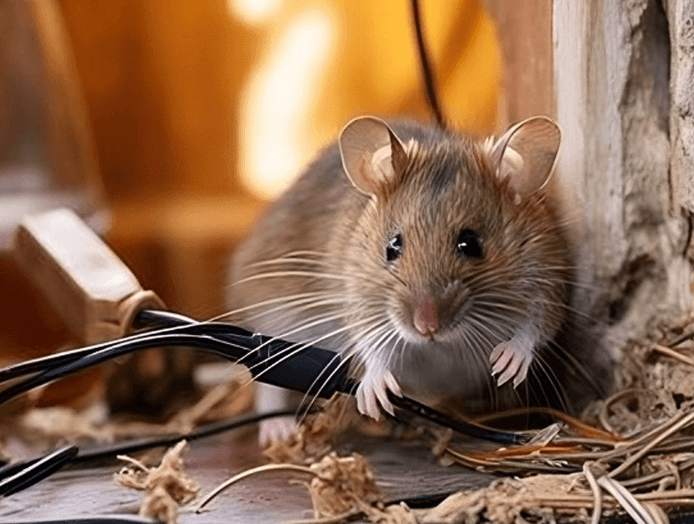
Scratching or movement sounds in walls, ceilings, or attics can indicate animal activity. Other signs may include droppings, unusual odors, damaged insulation, nesting materials, chewed wiring, or visible entry points around the roof and exterior walls.
If these signs appear repeatedly, a professional inspection can help determine what type of animal is present and where it may be entering the property.
Why Professional Animal Removal Matters
Removing wildlife can be more complicated than simply getting an animal out of a building. Some animals may have young nearby, while others may become defensive when frightened or cornered.
Professional wildlife specialists can inspect the property, identify potential entry points, and develop an appropriate removal strategy. They can also help homeowners understand steps that may reduce the likelihood of future animal intrusion.
The goal of responsible wildlife removal is generally to resolve the property problem while considering the safety of people and animals.
Wildlife Exclusion
Animal removal and animal exclusion are closely connected. Removing an animal without addressing the opening it used to enter may allow another animal to access the same area later.
Exclusion work can involve identifying gaps, damaged vents, openings around roofs, or other vulnerable areas. Once wildlife has been appropriately removed, these locations may be repaired or secured.
Homeowners should make sure that animals are not trapped inside before an entry point is permanently sealed.
Attic and Crawl Space Wildlife
Attics and crawl spaces can be attractive to wildlife because they provide shelter from weather and predators. Unfortunately, animal activity in these spaces can damage insulation, ductwork, wiring, and stored belongings.
If you hear repeated movement overhead or discover signs of nesting, avoid disturbing the area unnecessarily. A professional inspection can help identify the species involved and determine whether young animals are present.
After removal, cleaning and repairs may be necessary depending on the extent of contamination or damage.
Humane Wildlife Removal
Responsible animal removal focuses on resolving the wildlife problem without unnecessary harm. Different species may be subject to specific local or state regulations, so property owners should understand the applicable rules before attempting removal themselves.
Professional wildlife companies may use species-appropriate techniques designed to encourage animals to leave or safely capture and relocate them when legally permitted.
The appropriate method depends on the species, location, season, and circumstances of the infestation.
Choosing San Antonio Animal Removal Services
When searching for San Antonio animal removal, homeowners should consider a company’s experience with the particular animal causing the problem.
Ask whether the company provides inspection, removal, exclusion, and cleanup services. It can also be useful to ask how the company handles situations involving baby animals and whether its methods comply with applicable wildlife regulations.
Clear information about the recommended work and pricing can help homeowners understand what they are paying for before service begins.
Preventing Future Wildlife Problems
Once an animal has been removed, prevention can reduce the likelihood of another intrusion. Homeowners can inspect their property for openings around roofs, vents, chimneys, doors, and other exterior areas.
Keeping garbage containers securely closed can also reduce access to food sources. Pet food should not be left outside for extended periods, and fallen fruit or other accessible food sources should be addressed.
Regularly inspecting the roof and exterior of the home can help identify potential entry points before they become larger problems.
When to Call a Professional
Professional assistance may be appropriate when an animal is inside a home, trapped in an inaccessible location, repeatedly returning to the property, or showing defensive behavior.
Situations involving bats, potentially aggressive wildlife, or animals located near electrical equipment should be approached with particular caution. Attempting to handle unfamiliar wildlife can result in bites, scratches, or other injuries.
Conclusion
Reliable San Antonio animal removal services can help homeowners address unwanted wildlife while protecting people, property, and animals. A comprehensive approach typically involves identifying the species, locating entry points, removing the animal appropriately, and addressing conditions that could encourage another intrusion.
If you notice scratching sounds, droppings, property damage, or other signs of wildlife activity, addressing the issue early can help prevent the problem from becoming more extensive. Professional inspection and responsible removal can provide a practical path toward restoring a safe and comfortable home environment.